Master the Art of “I Don’t Know”: Bravery, Integrity, and Trust in Technical Sales

Beyond Guesswork: The Strategic Advantage of Honest Deferral in B2B Interactions

In the high-stakes world of B2B technical sales, the pressure to appear as a flawless expert can be intense. When a customer asks a highly specific or complex question about your industrial equipment—perhaps a niche technical specification or a performance metric under unique conditions—the instinct to provide an immediate, albeit unsure, answer can be strong. However, true sales mastery lies not in having every answer, but in possessing the bravery and integrity to say, “That’s an excellent question, and I want to provide you with a precise answer. I will find the information and get back to you shortly.”

The pain point is clear: trying to bluff or provide an educated guess can have disastrous consequences. A customer may be testing your knowledge, or they may already know the answer. By providing unsure or, worse, incorrect information, you risk:

Eroding Credibility and Trust

A confident but wrong answer immediately shatters the client’s trust in your expertise and, by extension, your product. Customers value a partner who is reliable and accurate, not one who is a walking encyclopedia of misinformation.

Damaging Your Company's Reputation

In the B2B industrial sector, reputation is everything. A single instance of providing inaccurate information can lead to a client sharing their negative experience, making future sales and partnerships in that market significantly harder.

Creating Operational Problems

An incorrect technical detail given during a sales pitch can lead to a client making an incorrect purchasing decision, resulting in a product being deployed in a suboptimal application. This can lead to increased support costs, service issues, and a dissatisfied customer.

Stalling the Sales Cycle

If a customer catches a mistake, they will lose confidence in the sales engineer, forcing them to re-qualify the salesperson and the product, creating delays that a direct, honest response would have avoided.

The Strategic Power of "I Don't Know"

Builds Unshakable Trust

Admitting that you don’t know an answer, with a clear commitment to finding it, is a powerful demonstration of integrity. It shows the customer that you value accuracy over a quick, easy answer. This builds a foundation of trust that is far more valuable than the illusion of omniscience.

Reinforces Expertise and Precision

Your willingness to defer to a precise, verifiable source shows that you are not a generalist but a specialist who values accuracy. This reinforces your Technical Acumen & Precision—a core value we champion at OnTech.

Strengthens Customer Relationships

The act of taking a question back to your team, finding the correct information, and following up is a form of proactive service. It shows you are committed to the client’s needs beyond the initial sales interaction, fostering a deeper, more collaborative relationship.

Provides an Opportunity for Follow-Up

Saying you will follow up on a specific question creates a natural and legitimate reason for a subsequent contact. This keeps the sales cycle moving forward on a positive and productive note.

At OnTech, we train our sales engineers to embrace this philosophy. Our team is equipped not just with product knowledge, but with the confidence and integrity to navigate complex queries. By daring to admit when they need to seek more information, our professionals ensure that every answer they provide is accurate, reliable, and reinforces their role as a trusted technical advisor, building long-term value for our clients and their customers.

Explore More Insights

Equipment Type: Industrial Seafood Processing Machinery Industry: Food Processing & Manufacturing Location: Southeast Asia (Indonesia,

Equipment Type: Drives & Motors Industry: Heavy Industry (Cement) Location: Ha Nam, Vietnam At a

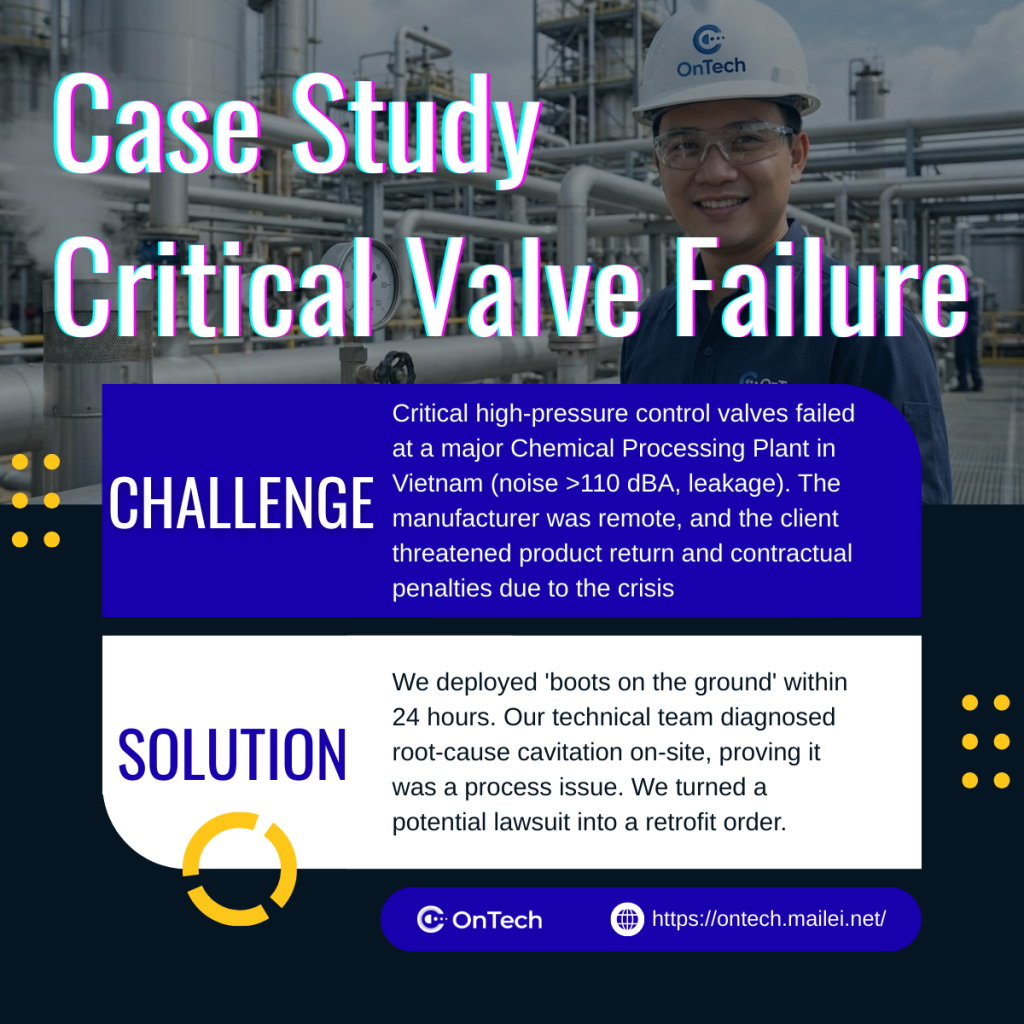
Equipment Type: Valves Industry: Chemical Processing Location: Dong Nai, Vietnam At a Glance The Client:

Mastering B2B Sales: Proving Long-Term Value and Financial Gain In the world of B2B technical

Mastering B2B Sales: Shifting the Conversation from Initial Cost to Long-Term Value In the complex

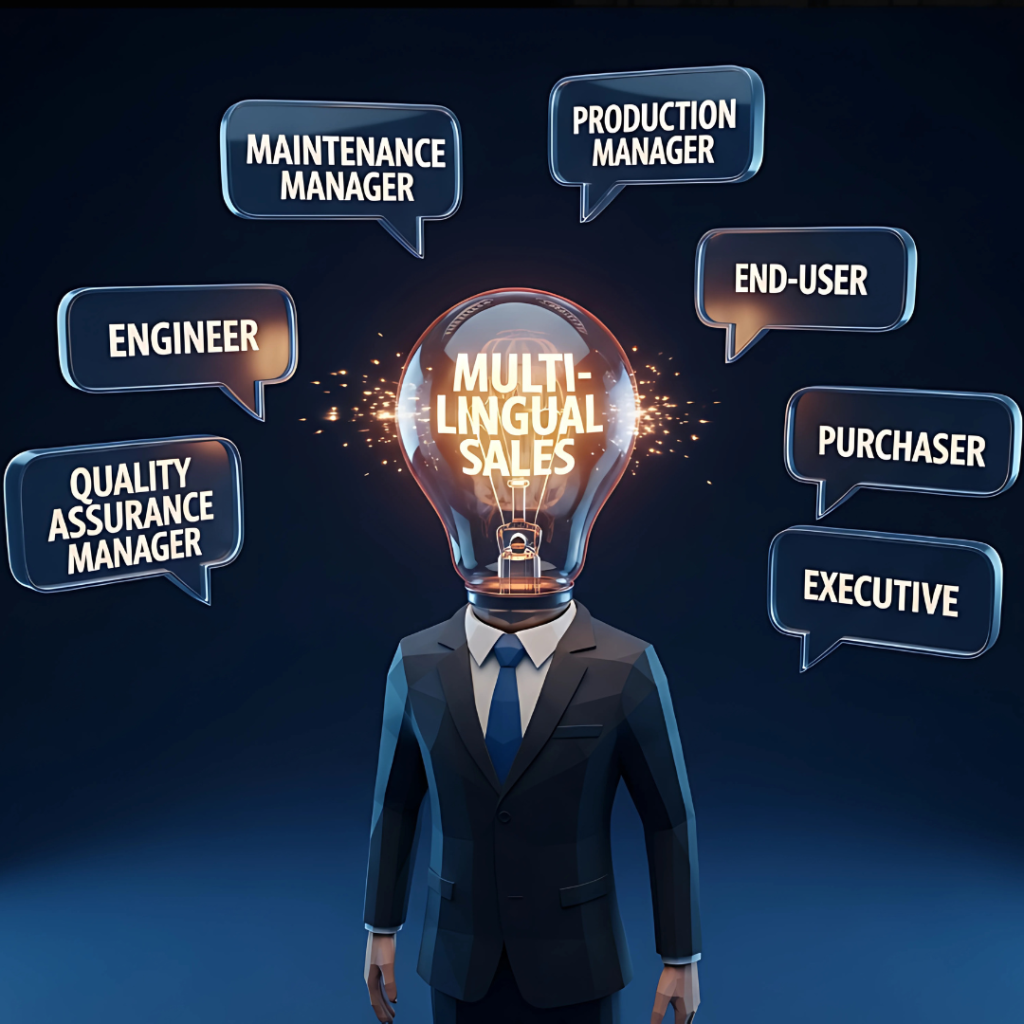
Mastering the Art of Conversation: How to Tailor Your Pitch to Every Stakeholder In the